Friday, May 9, 2025

To Lock or Not to Lock: Understanding Joint Extension in Strength Training


To Lock or Not to Lock: Understanding Joint Extension in Strength Training

It's a common cue you'll hear in the gym: "Don't lock your knees!" or "Keep a slight bend in your elbows!" But what does "locking out" a joint actually mean in the context of strength training, and more importantly, when is it okay – or even beneficial – to do it, and when should you avoid it?

Let's dive into the mechanics and best practices of joint extension during your lifts.

What Does "Locking Out" Mean?

When we talk about "locking out" a joint, we're referring to fully extending it to its anatomical limit, often engaging the joint's passive stability structures (like ligaments and the bony architecture) rather than relying solely on muscular tension. For example, in a squat, locking out your knees means standing completely upright with your legs straight. In a bench press, it means fully extending your elbows at the top of the movement.

The Concerns with Locking Out

The primary concerns often cited for avoiding full joint lockout revolve around:

  • Joint Stress: The most common fear is that fully extending a joint puts excessive stress on the ligaments and cartilage, potentially leading to injury over time. When you lock out, the load is no longer primarily supported by your muscles, but by the passive structures of the joint.
  • Reduced Time Under Tension: If you lock out and "rest" at the top or bottom of a movement, you momentarily take tension off the working muscles. This can reduce the "time under tension" for those muscles, which is a key factor for muscle growth (hypertrophy).
  • Momentum: Sometimes, people use locking out as a way to "bounce" or generate momentum, especially in exercises like the leg press or bench press, which can compromise form and increase injury risk.

When is Locking Out Generally NOT Recommended?

  • Heavy Loads & Compound Movements (with caution): While there are exceptions, if you're new to lifting or moving very heavy weights, consciously avoiding a complete lockout can be a good starting point. This ensures constant muscular engagement and reduces the chance of hyperextension under significant load.
  • Plyometrics and Dynamic Movements: In explosive movements, a controlled, slight bend often helps absorb impact and prepare for the next phase of the movement, rather than rigidly locking out.
  • Individuals with Hyperextension: If you naturally hyperextend your elbows or knees (meaning they extend beyond a straight line), it's crucial to be extra mindful and avoid pushing into that end range under load.

When Can (and Should) You Lock Out a Joint?

Here's where the nuance comes in. Locking out isn't inherently bad; in many cases, it's a natural and even beneficial part of a lift.

  • Developing Strength Through a Full Range of Motion: To build strength effectively, you need to train your muscles through their entire available range of motion. For many exercises, this includes full joint extension. For instance:
    • Deadlifts: At the top of a deadlift, a full lockout of the hips and knees is crucial for demonstrating control and completion of the lift. You wouldn't want to leave your hips slightly bent.
    • Overhead Press: A strong lockout at the top of an overhead press, with the barbell stacked directly over your joints, is a position of maximal stability and demonstrates full control.
    • Squats (at the top): While you shouldn't "rest" at the top of a squat by locking out your knees and relaxing your muscles, standing fully upright and extending your knees is the completion of the repetition.
    • Bench Press: For many, a full lockout at the top of a bench press is the most stable position to reset and prepare for the next rep, and it fully engages the triceps.
  • Powerlifting and Strength Sports: In many strength sports, a full lockout signifies a completed lift and is often a requirement for a successful attempt.
  • Learning Proper Form: For beginners, learning to achieve a controlled lockout can be part of understanding the full range of motion for an exercise.
  • Specificity of Training: If your sport or activity requires you to generate force through full joint extension (e.g., jumping, throwing), then training that specific range of motion is beneficial.
  • When It Feels Natural and Controlled: For many lifters, especially with moderate weights, a controlled lockout feels natural and allows for a brief moment to stabilize before the next repetition. The key here is "controlled" – not hyperextending or "snapping" the joint.

The "Slight Bend" Sweet Spot

For most exercises, the advice to maintain a "slight bend" at the top or bottom of the movement is often about maintaining constant tension on the muscle rather than fearing outright joint damage. This means:

  • For knees: Don't let your knees hyperextend, but don't stop short of full extension either. Find that sweet spot where your quads and hamstrings are still engaged.
  • For elbows: Avoid snapping your elbows into hyperextension, but fully extend them to recruit your triceps effectively.

The Bottom Line

Understanding when to lock out and when to maintain a slight bend comes down to a few key factors:

  1. The Specific Exercise: Some exercises inherently require a full lockout (like deadlifts), while others benefit from continuous tension.
  2. Your Goals: Are you training for hypertrophy, strength, power, or endurance?
  3. Your Body and Anatomy: If you have hypermobility, be extra cautious.
  4. The Load: Lighter loads might allow for more exploration of full range of motion, while extremely heavy loads may warrant a slightly more conservative approach.
  5. Control, Always Control: Never "snap" your joints into a locked position. Always maintain muscular control throughout the entire range of motion.

When in doubt, prioritize controlled movement through a full, pain-free range of motion. If a full lockout feels uncomfortable or unstable, ease back to a slight bend. As you gain strength and proprioception, you'll better understand what works best for your body and your training goals. And as always, if you're unsure, consult with a qualified strength coach.

Monday, April 21, 2025

Welcome to the world of Nattokinase! Schedule a Virtual Optimal Health Consultation


Welcome to the world of Nattokinase! This enzyme, derived from the traditional Japanese food natto, has been gaining a lot of attention recently for its potential health benefits. From reducing inflammation to supporting heart health, Nattokinase may be a valuable addition to your wellness routine. In this article, we'll explore the potential benefits of Nattokinase and how you can incorporate it into your life. So let's get started!

It is often recommended to take Nattokinase supplements at night, particularly before sleep, as it may work best in conjunction with the body's natural processes that occur during rest. However, it's important to follow the instructions on the supplement packaging to ensure you're taking it at the most optimal time for your body. Additionally, some individuals may prefer to take Nattokinase in the morning with breakfast, so ultimately the best time to take it can vary from person to person and based on individual needs.
Schedule Online

Monday, April 14, 2025

Exploring the Myths of Nicotine's Medicinal Benefits


Nicotine, a potent alkaloid found primarily in tobacco plants, has long been a subject of intrigue and controversy. Despite its notorious connection to smoking and various health risks, some studies and popular beliefs suggest that nicotine may possess medicinal benefits. This blog explores these myths, questioning the validity of claims and examining the scientific landscape.


 Understanding Nicotine

Nicotine acts as a neurotoxin in high doses, found in various plants but primarily in tobacco. When consumed, it quickly enters the bloodstream, crossing the blood-brain barrier to engage with nicotinic acetylcholine receptors. This interaction can produce various effects, including increased alertness, improved mood, and enhanced cognitive function.

 Myths Surrounding Medicinal Benefits 

1. Nicotine Helps with Cognitive Function
   One of the most popular myths is that nicotine can enhance cognitive function, improving memory and attention. Some studies have shown short-term improvements in focus and information retention; however, these benefits must be weighed against the potential for addiction and the deleterious effects of long-term tobacco use. The effects are often not long-lasting and require frequent use to maintain benefits.

2. Nicotine as a Treatment for Neurodegenerative Diseases
   There is a growing body of literature that suggests nicotine may have neuroprotective effects, potentially benefiting conditions like Parkinson's and Alzheimer's diseases. Some research indicates that nicotine may help alleviate symptoms or slow disease progression due to its stimulating effects on brain activity. However, large-scale clinical trials and longitudinal studies are lacking, and any potential benefits must be carefully considered against the risks of tobacco consumption.

3. Nicotine Reduces Anxiety and Depression
   While some individuals claim that nicotine helps reduce anxiety or depressive symptoms, it is essential to understand that nicotine's effects are complex and individualized. Short-term use may provide temporary relief due to its stimulating effects, but it is often followed by withdrawal symptoms, potentially worsening anxiety and depression in the long run. The potential for abuse and addiction complicates any claims of therapeutic use in mental health conditions.

4. Use in Smoking Cessation
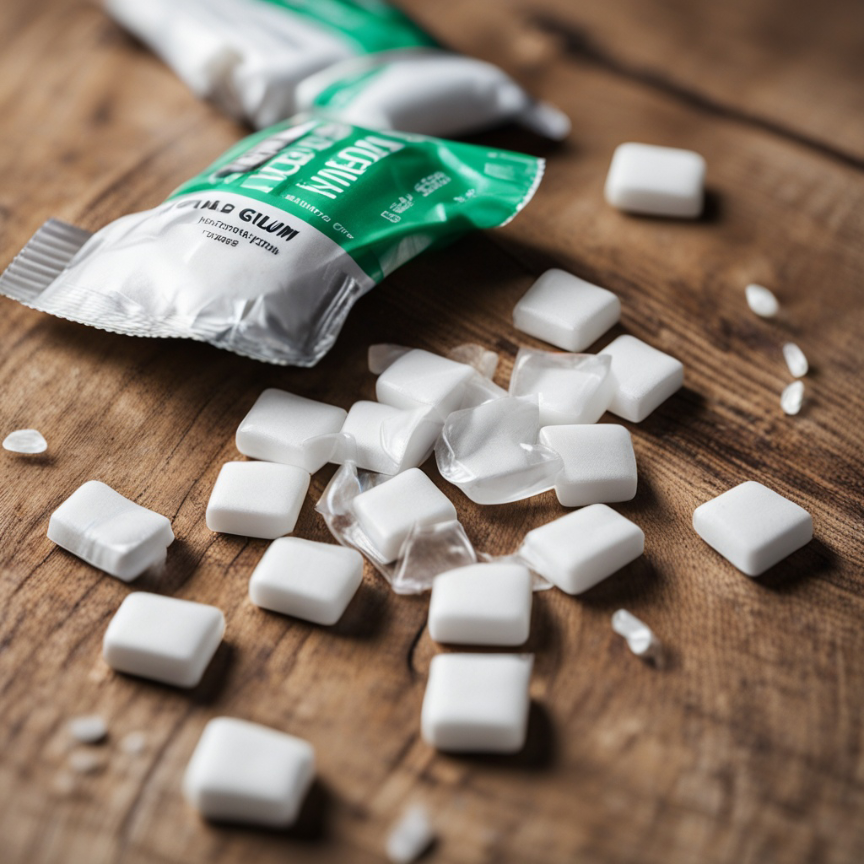
   The tobacco industry has sometimes promoted the idea that nicotine, in particular forms like nicotine replacement therapies (patches, gums), can serve as a medicinal aid. While these forms may help individuals quit smoking by alleviating withdrawal symptoms, they do not address the underlying addiction to smoking itself. Moreover, reliance on substitutes carries its risks and may not eliminate the harmful effects associated with nicotine.

5. Nicotine as a Potential Weight Control Agent
   Some have claimed that nicotine can assist in weight management by suppressing appetite. While it's true that nicotine has appetite-suppressing properties and may increase metabolic rates, the consequences of its addictive nature and the health risks associated with its consumption outweigh these potential benefits. The pursuit of weight control through nicotine use can lead to severe health issues.

Scientific Perspectives

The scientific community remains divided on the topic. While preliminary studies elucidate certain positive effects of nicotine in specific contexts, many researchers emphasize the potential risks, particularly concerning addiction and overall health. Additionally, distinguishing between nicotine's pharmacological effects and the harmful effects of tobacco has been challenging.


Conclusion

While the myth of nicotine's medicinal benefits is prevalent, it is critical to separate fact from fiction. Emerging research continues to uncover complexities surrounding nicotine's effects, yet the potential for addiction and health risks remains significant. As science progresses, it is essential to continue exploring these avenues, but the focus must remain on health, safety, and well-being. Individuals and healthcare professionals should approach nicotine with an informed perspective, prioritizing evidence-based approaches to health and medicinal care.
More information 
https://substack.com/@phrygiofphrygia/note/c-106298232?r=1ti8ph

Tuesday, March 4, 2025

Key Benefits of Daily Brain Care-Aloe Vera and Rice Bran

Research has shown significant improvement in Alzheimer and Dementia patients.


Aloe Vera and Rice Bran - Polysaccharides, the benefits explained with Dr. John Lewis


Listen to Dr. Lewis


Additional Benefits include:
The polysaccharides in aloe vera have many potential health benefits, including: 
  • Wound healing
  • Anti-inflammatory
  • Antimicrobial
  • Antidiabetic
  • Antioxidant
  • Gastroprotective
  • Skin protection
  • Immunomodulatory
  • Hepatoprotective
  • Antiulcer

The polysaccharides in Rice Bran have many potential health benefits, including: 

  • Cancer 
  • Type 2 diabetes
  • Lipid metabolism
  • Combat infection